How to Remove Hard Water Stains From Windows (California Guide)
What causes hard water stains on windows, how to remove them safely at home, when DIY stops working, and how to prevent them — with California's hard water in mind.
If your windows have cloudy spots, chalky white residue, or a faint haze that won't wipe away no matter how you clean, you're almost certainly dealing with hard water stains. They're one of the most common and frustrating window problems in California, and because the state's water is mineral-heavy and sprinklers run much of the year, they form faster here than in many places. Left too long, they can permanently etch the glass. Here's what causes them, how to remove them safely, and how to stop them coming back.
What hard water stains actually are
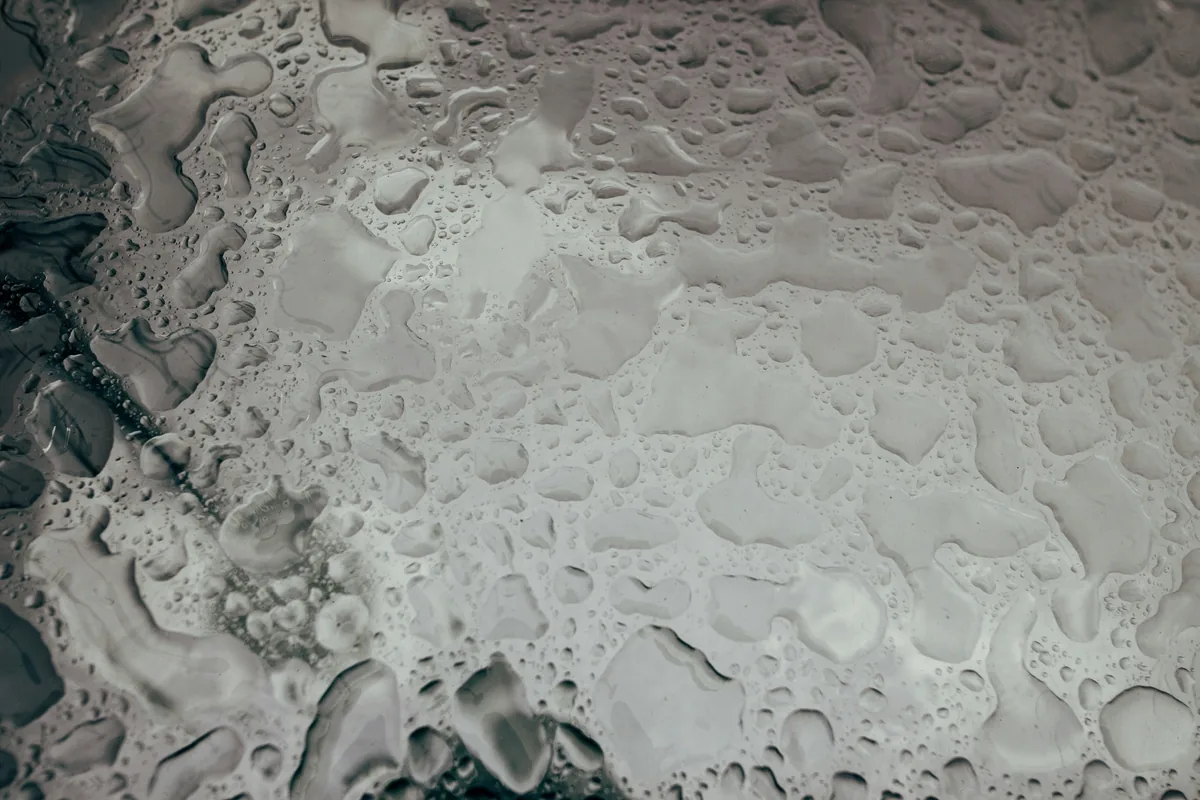
Hard water contains high levels of dissolved minerals, primarily calcium and magnesium. When mineral-rich water lands on glass and evaporates, it leaves those minerals behind as white, cloudy deposits. Each time it happens, more mineral residue bonds to the surface, building from a few faint spots into a chalky haze.
The critical thing to understand is the timeline. At first the deposits sit on top of the glass and can be removed. But the longer they stay, the more they bond — and eventually the minerals begin to interact with the glass itself, causing etching. Once glass is etched, ordinary cleaning won't restore it, and in severe cases replacement is the only fix. That's why catching stains early matters so much.
Where the water is coming from
Hard water stains don't appear overnight, they build from repeated exposure. The usual California culprits:
- Sprinkler and irrigation overspray — the single most common source. Sprinkler heads angled even slightly toward the house spray mineral-heavy water directly onto the glass, day after day.
- Rain carrying airborne dust and minerals.
- Hose water during car washing or outdoor cleaning that splashes onto windows.
- Leaking or overflowing gutters dripping onto the glass below.
California's combination of naturally hard water in much of the state, heavy year-round irrigation, and long dry stretches that let minerals bake onto sun-heated glass makes windows here especially prone. Identifying which source is hitting your windows is the first step to stopping the cycle.
How to remove hard water stains yourself
For light to moderate stains that haven't etched the glass, several home methods work. A few ground rules first: always test your solution on a small, hidden spot; avoid abrasive scrubbers or powders that scratch glass; wear gloves; and always finish by rinsing and drying completely.
White vinegar solution (the go-to). Mix equal parts white vinegar and water in a spray bottle. Vinegar's natural acidity dissolves the alkaline mineral deposits. Spray generously, let it sit 5–10 minutes (longer for tougher spots), then wipe with a microfiber cloth. Stubborn stains may need a few applications or an overnight-soaked cloth.
Baking soda paste (for tougher spots). Mix baking soda with a little water into a thick paste, apply to the stains, and gently scrub with a non-abrasive cloth. For extra lift, spray the vinegar solution over the paste; the fizzing reaction helps loosen the minerals. Rinse and dry.
Lemon juice. The citric acid works like vinegar on light deposits: apply, let sit a few minutes, wipe clean.
Commercial hard water removers. Home-improvement stores carry products formulated for mineral deposits; follow the instructions and wear gloves.
The finishing step that matters most: rinse with distilled water (not tap, which would deposit fresh minerals) and dry the glass completely with a squeegee or lint-free microfiber cloth. Letting cleaning water air-dry just creates new spots.
When DIY stops working and you need a professional
Home methods handle fresh, light staining. They reach their limit when:
- The haze or cloudiness doesn't improve after a thorough vinegar treatment.
- You can feel roughness or pitting in the glass, which is a sign of etching.
- The staining is widespread, severe, or years in the making.
- The windows are on upper floors or otherwise hard and unsafe to reach.
At that point, professionals have commercial-grade acidic compounds and polishing equipment that safely break down heavy deposits without scratching the glass; and they have the experience to know when glass can be restored versus when it's etched beyond saving. Attempting aggressive removal yourself on stubborn stains risks scratching the glass permanently, which is its own expensive problem. Hard water stain removal is also commonly a paid add-on to a standard window cleaning rather than part of the base price, so confirm it's included when you book (see our cost guide for how add-ons affect pricing).
How to prevent them — far easier than removing them
Prevention is cheaper and easier than restoration, and a few habits make a big difference:
- Reposition your sprinklers. The highest-impact fix in California. Angle heads away from the house so they water the lawn, not the glass. Planting bushes between sprinklers and windows can deflect overspray where repositioning isn't practical.
- Dry windows after they get wet. Squeegee or wipe with microfiber after washing or after sprinkler exposure, rather than letting water evaporate on the glass.
- Clean regularly. Routine cleaning stops minerals from accumulating and bonding. This ties directly to how often you should clean in the first place. See our California frequency guide, since hard-water-prone homes often benefit from more frequent cleaning.
- Apply a glass protectant. Hydrophobic coatings (rain-repellent products and professional sealants) make the glass shed water and minerals, so future cleaning is easier and stains form more slowly.
- Consider a water softener. If your home has consistently hard water — common across much of California — a whole-home softener reduces mineral content at the source, helping windows, fixtures, and appliances alike.
The bottom line
Hard water stains are manageable if you catch them early: vinegar, baking soda, and good drying habits handle most fresh staining, and a few prevention steps (especially fixing sprinkler overspray) keep them from coming back. The real risk is waiting too long, because etched glass can't be cleaned back to clear. If your stains are stubborn, widespread, or on hard-to-reach windows, a professional can remove them safely and apply protective treatments to prevent their return.
You can browse window cleaning providers across California on SparklingPanes, compare ratings and review counts, and check which ones offer hard water stain removal. It's worth confirming up front, since not every service includes it.
This guide offers general maintenance information. For severe or etched staining, consult a professional who can assess whether the glass can be restored.